
Adding a new horse to your life is an exciting and rewarding experience, but it also comes with significant responsibilities. Proper preparation ensures your new companion transitions smoothly into its new environment while minimizing stress and potential hazards.
Article Sponsored By: Parking Lot Striping Savannah
This guide will help you prepare your property for your horse’s arrival, complementing the practical advice from other articles on your blog.

- Evaluate Your Fencing and Pastures
Before bringing your horse home, inspect your fencing for durability and safety. Horses are notorious for testing boundaries, so make sure your fencing is:
- Sturdy and Secure: Wooden or vinyl fences are common, but if you use wire, avoid barbed wire as it can cause injuries. Check for loose or sagging sections.
- Properly Sized: Fences should be high enough (at least 4.5–5 feet) to prevent horses from jumping over and low enough to prevent them from sticking their heads underneath.
- Clear of Hazards: Walk the perimeter to remove debris, exposed nails, or sharp objects that could cause injury.
Inspect your pastures as well. Ensure they are free of poisonous plants like oleander, buttercups, or wild cherry. Regularly mow and manage the grass to prevent overgrowth.
- Create a Safe and Functional Barn
A horse barn should prioritize safety and comfort. Here are a few key considerations:
- Stall Size: Ensure each stall is at least 12×12 feet for a standard-sized horse, with larger stalls for bigger breeds.
- Ventilation: Horses are sensitive to dust and ammonia buildup, so your barn should have proper airflow to reduce respiratory risks.
- Secure Doors and Latches: Horses can be escape artists, so invest in secure latches that are difficult for them to manipulate.
- Lighting: Well-lit spaces prevent accidents and make routine care, like grooming or mucking stalls, easier.
Consider adding a fire extinguisher, smoke detectors, and an easily accessible emergency exit plan for added safety.
- Stock Up on Essentials
Having the right supplies on hand will set you up for success. Prepare the following items:
- Feed and Water Supplies: Ensure you have a balanced diet ready for your horse. Consult with the previous owner or a veterinarian to maintain consistency in feed. Provide clean water in large troughs or automatic waterers.
- First Aid Kit: Your equine first aid kit should include bandages, antiseptic, tweezers, a thermometer, and a hoof pick.
- Grooming Supplies: Basic items like a curry comb, stiff brush, mane and tail brush, and hoof pick are essential for maintaining your horse’s coat and hooves.
- Prepare Your Trailer for Safe Transport
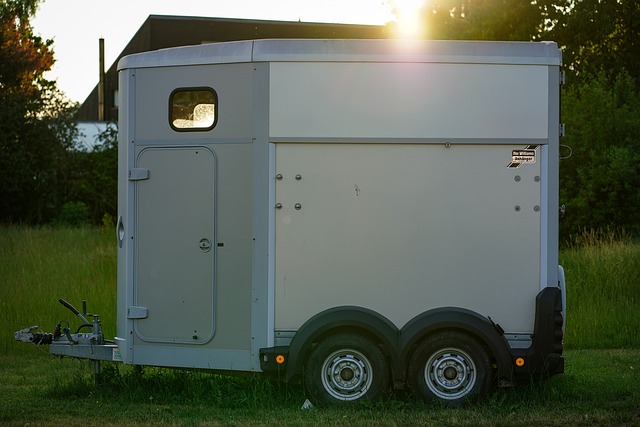
If you’ll be transporting your horse yourself, ensure your trailer is ready. A clean, well-maintained trailer reduces stress for your horse during the journey.
- Inspect the Flooring: Check for cracks, rotting wood, or uneven surfaces that could cause injury.
- Ensure Ventilation: Horses can overheat quickly, so proper airflow is critical.
- Practice Loading: If possible, practice loading and unloading with your horse before the big move to familiarize them with the trailer.
- Establish a Routine
Horses thrive on routine, so establish a consistent feeding and turnout schedule. Knowing what to expect will help your new horse settle in more quickly.
- Feeding Schedule: Feed your horse at the same times each day, providing a mix of hay, grains, and supplements as needed.
- Turnout Times: Determine when and where your horse will graze or exercise. Gradually introduce them to the other horses if you have a herd.
- Ensure Companionship and Socialization
Horses are herd animals and need companionship to stay mentally and emotionally healthy. If your new horse will be joining others, introduce them slowly to prevent conflicts:
- Initial Separation: Keep the new horse in a nearby paddock where they can see and smell the others but not make direct contact.
- Gradual Integration: After a few days, introduce the new horse to the herd in a larger space to minimize territorial behavior.
- Schedule a Vet Check-Up
A veterinary exam shortly after arrival ensures your new horse is in good health and up to date on vaccinations and deworming. Use this opportunity to:
- Establish a Baseline: Record your horse’s weight, vital signs, and general condition.
- Discuss a Care Plan: Ask your vet about specific care needs, such as dental maintenance, hoof care, and vaccination schedules.
- Plan for Weather Conditions
Whether you live in a hot, cold, or rainy climate, your horse will need proper shelter and care to stay comfortable. For example:
- Hot Weather: Provide shade and access to cool water at all times.
- Cold Weather: Ensure stalls are draft-free and consider blankets for extra warmth.
- Rainy Weather: Prevent muddy pastures by adding gravel or drainage solutions in high-traffic areas.
- Build Trust Through Bonding Activities
Finally, spend time bonding with your new horse. Regular grooming, groundwork exercises, and short rides can help build a strong relationship. A calm, confident approach will reassure your horse as they adapt to their new surroundings.
Preparing your property for a new horse may seem like a lot of work, but the effort pays off in the form of a happy, healthy equine companion. By addressing safety, comfort, and routine care, you’ll create an environment where your horse can thrive. This preparation guide complements the practical buying and care tips already featured on your blog, offering readers valuable advice for every stage of horse ownership.
Thank you for visiting our site. We hope you are finding some good information here. If you have any comments or questions please contact us today. We also ask that you visit our sponsor Savannah Parking Lot Striping.